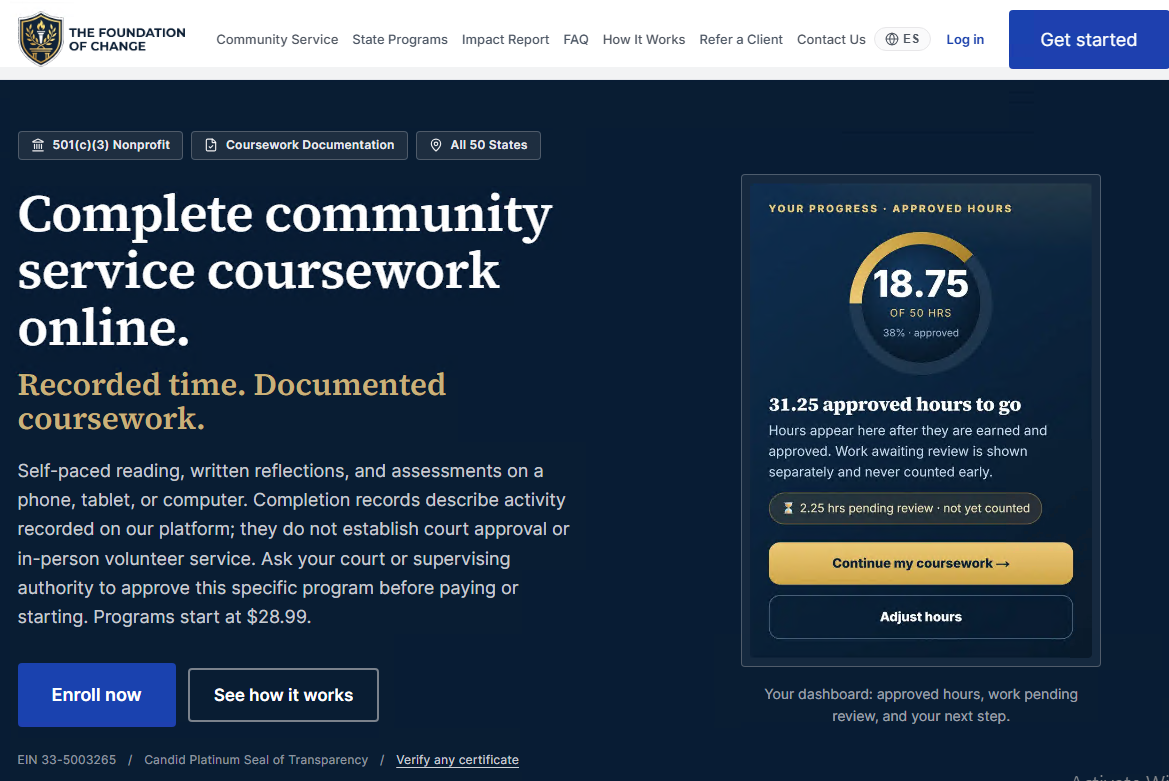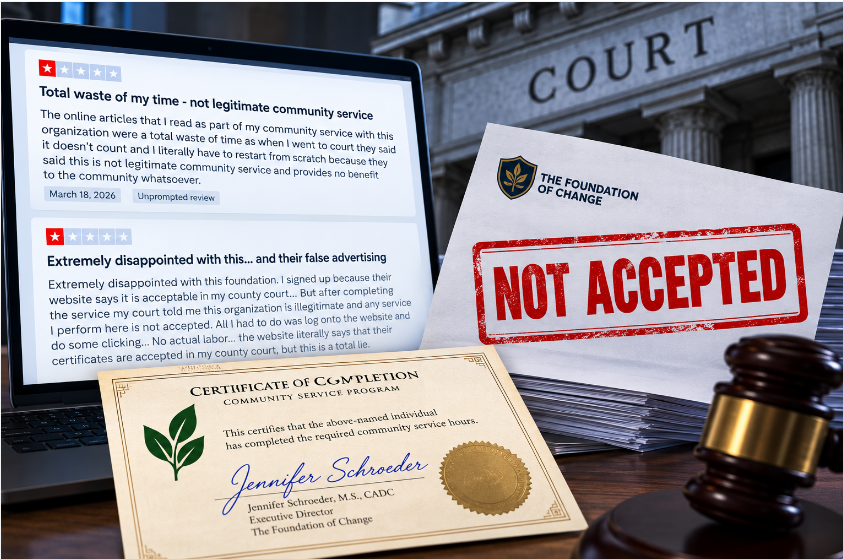
 The Foundation of Change tells financially struggling participants that they may be able to obtain its online community-service program without paying the normal administrative fee.
But obtaining that waiver can require something in return: private documentation showing that the participant receives government benefits.
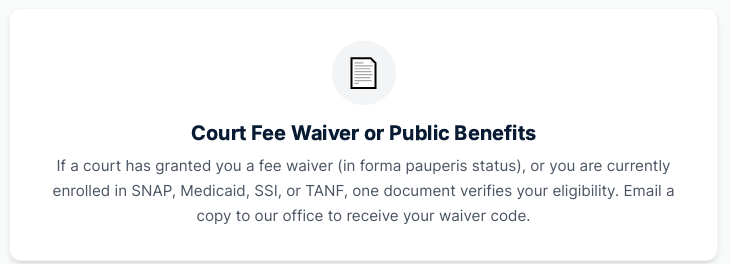
The Foundation's published Second Chance Fund says people receiving SNAP, Medicaid, SSI or TANF can qualify for a complete waiver of its administrative fee. Applicants without an attorney are instructed to email the organization proof of their enrollment in one of those programs. The Foundation says its staff will verify the document and provide a single-use waiver code, typically the same business day.
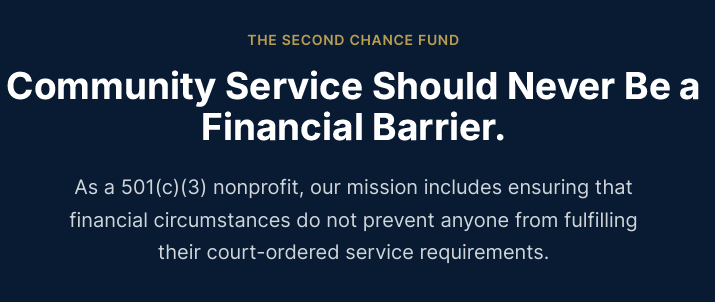
That policy alone means the organization is asking financially vulnerable participants to send it government-benefit documentation.
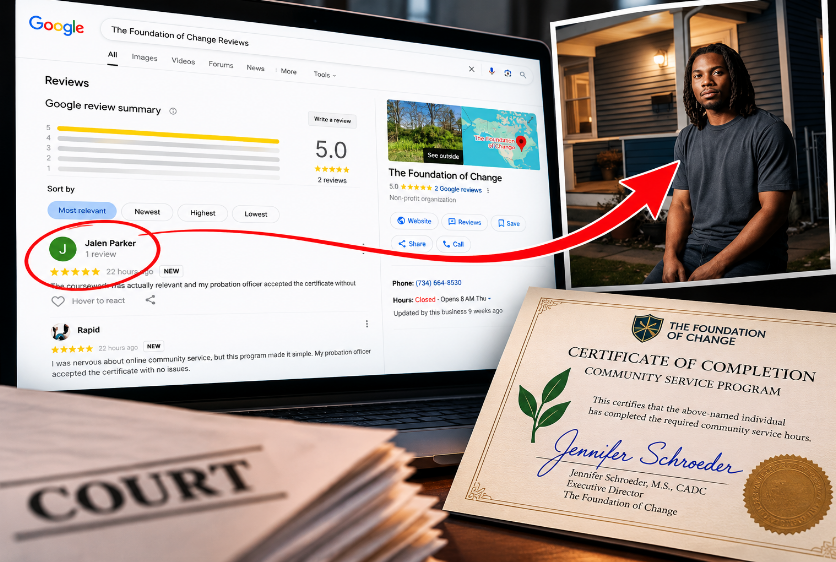
Correspondence involving Jalen Parker shows how that policy was implemented for at least one participant—and exactly what the organization was willing to accept.
An EBT Card Next to an ID
According to correspondence described in a complaint submitted for regulatory review, Jalen Lee Parker communicated with a Washington participant using the name “Jay Parker” and the title “Program Operations Manager.”
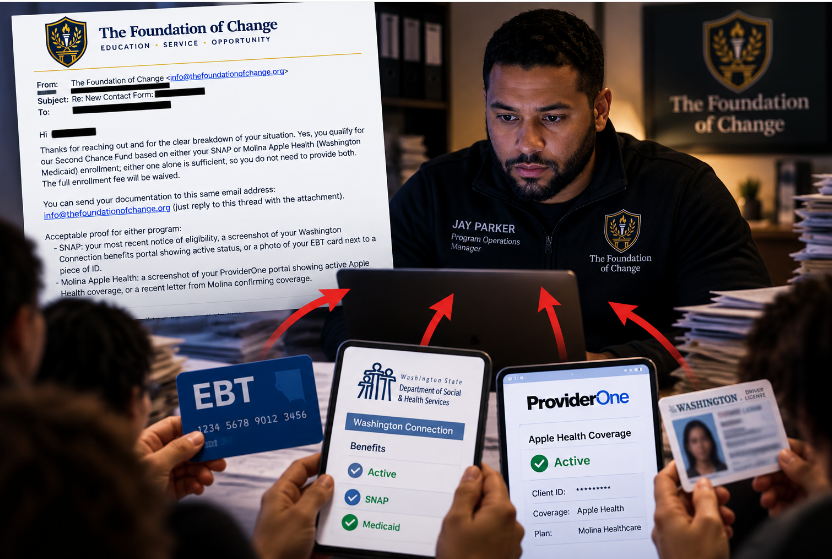
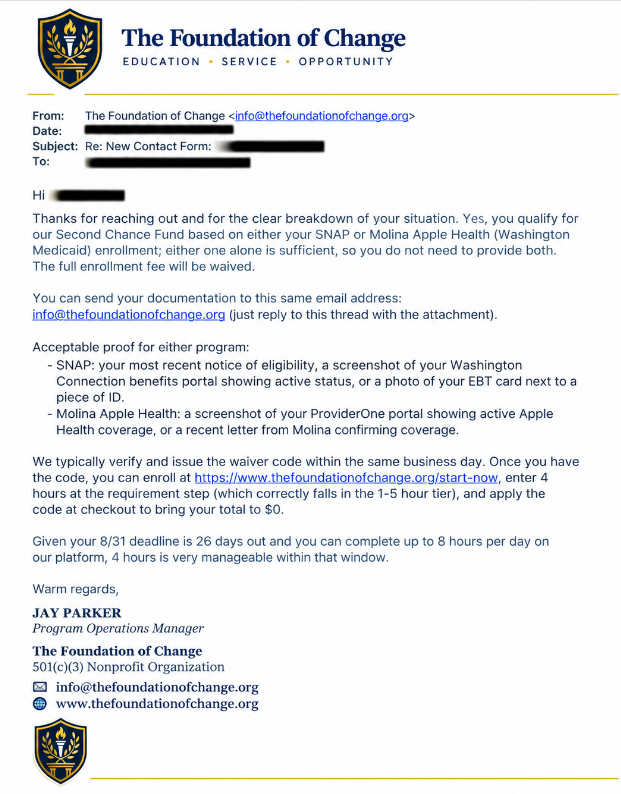
Parker told the participant that she could establish SNAP eligibility in several ways.
One option was a current SNAP eligibility notice. Another was a screenshot of the participant's Washington Connection benefits portal showing active benefits.
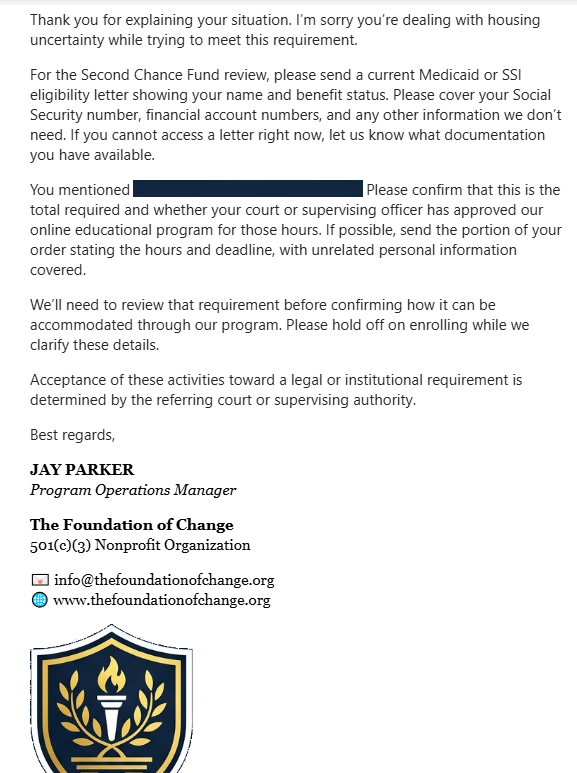
But Parker also offered a considerably more personal option: a photograph of the participant's EBT card placed next to identification.
The participant was instructed to send the documentation as an email attachment to The Foundation of Change's general email account.
The same correspondence offered another route to the waiver: proof of Washington Medicaid coverage.
According to the complaint, Parker told the participant that she could submit a screenshot from the ProviderOne portal showing active Apple Health coverage or a recent coverage letter from Molina.
This was therefore more than simply asking someone to check a box stating that they had limited income.
The requested documentation could include an EBT card, identification, a government-benefits portal screenshot or Medicaid coverage documentation.
This Was Part of a Published Program
The request was not merely an accommodation Parker invented during one email conversation.
The Foundation's own Second Chance Fund page publicly states that a participant currently enrolled in SNAP, Medicaid, SSI or TANF can establish eligibility with one document and instructs applicants to email a copy to the organization.
The site says:
“one document verifies your eligibility.”
It then tells applicants without an attorney to email proof of current enrollment to the Foundation. The organization says its team will verify the submitted document and issue the waiver code.
In exchange, the participant receives the same program without paying the administrative fee, including the coursework, tracked hours, certificate of completion, activity report and verification code.
That makes the collection of benefits information part of the Foundation's established waiver process, rather than simply an unusual request made to one person.
Why Collect an EBT Card and Identification?
There is an obvious reason for verifying financial eligibility when an organization offers a need-based fee waiver.
The more difficult question is how much personal information is necessary to accomplish that purpose—and how that information is handled once it is received.
The Foundation's own policy demonstrates that several less revealing forms of verification are possible. A person may qualify through a court fee waiver, an attorney referral or documentation establishing participation in a qualifying benefits program.
Yet Parker's instructions specifically presented an EBT-card photograph accompanied by identification as an acceptable method.
That creates questions the Foundation's public explanation does not answer: Who has access to those emails? Where are the attachments stored? Are copies retained after eligibility is verified? When are they deleted? Are participants told what information they should redact before sending it?
Those questions become more significant when the requested proof involves Medicaid coverage.
The regulatory complaint specifically calls for examination of the organization's transmission methods, storage systems, access controls, retention practices and eventual disposition of the records. Those are requests for investigation, not findings that the Foundation violated privacy law.
The Participant Says She Actually Sent the Documents
The issue is not entirely hypothetical.
According to the complaint, the Washington participant who provided Parker's correspondence also reported that she actually supplied personal documentation to The Foundation of Change and later became concerned about what happened to it.
The complaint says the correspondence and participant's account could allow investigators to determine what was received, who accessed it and whether copies remain under the control of Parker, the Foundation or its service providers.
That distinction matters.
A website merely saying that it could request benefits documentation presents one set of questions.
A participant saying she actually transmitted the requested personal records presents another.
“Secure Server Infrastructure”
There is also an unusual contrast in the Foundation's own presentation of the program.
The Second Chance Fund page explains that the organization's administrative fees help pay for what it calls “secure server infrastructure.” Yet applicants seeking the waiver are instructed to send their benefits documentation by email.
The regulatory complaint highlights that distinction and calls for examination of the actual security architecture used for these records.
Emailing proof of eligibility does not by itself establish improper handling of personal information. Nor does the existence of a fee-waiver verification process establish wrongdoing.
But when an organization asks people facing court obligations and financial hardship to transmit EBT-card images, identification and Medicaid-related records, basic questions about collection, access, storage and deletion deserve clear answers.
The Bigger Question
The Second Chance Fund is presented as charitable assistance: people who cannot afford The Foundation of Change's administrative fee can obtain the program without paying.
The Foundation says it does not receive government funding and describes the fund as a way to ensure that financial circumstances do not prevent someone from completing court-ordered service requirements.
But that assistance has also placed The Foundation of Change in possession—or at least in a position to receive—documents concerning some of its most financially vulnerable participants.
And in at least one documented exchange, the person requesting those records was Jalen Parker, communicating as “Jay Parker — Program Operations Manager,” while telling a participant that an EBT card photographed beside identification or Medicaid documentation could be emailed to establish eligibility.
A fee waiver may require proof of eligibility. But when that proof can include an EBT card beside a person's identification or Medicaid coverage records, the next question is not simply whether the applicant qualifies. It is what happens to those records after they hit Send.